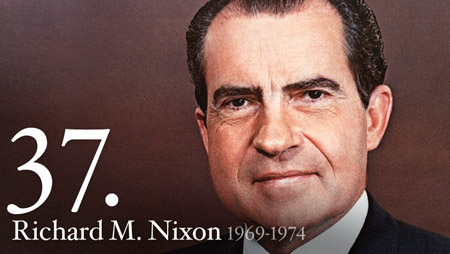
Dwight D. Eisenhower- Events in office
-
End of Korean War: President Eisenhower listed in his memoirs The end of the Korean war as his biggest success. He believed that a possible atomic threat to China and North Korea would make them chose peace over the possibilty of an all out nuclear war.
- Brown v. Board of Education: The decision in the supreme court ruled that there must be integration in all public school systems. As a result of this ruling president Eisenhower sent troops to Little Rock, Arkansas to force integration at Central High school.
- Eisenhower Doctrine: In regards following the Suez Crisis, president Eisenhower announced on this doctrine that the US was ready to use military force against any Middle Eastern country(s) under a communist regime.
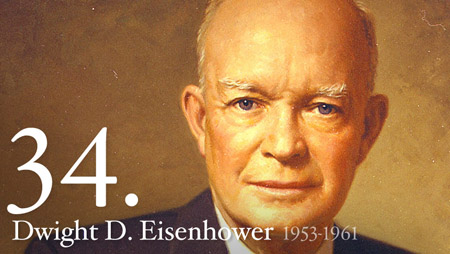
John F. Kennedy- Events in office
- Bay of Pigs: In 1961 JFK was just elected in to office and he ordered an invasion in Cuba which in turn was unsuccessful. This attack's purpose was to overthrow Cuban dictator Fidel Castro. The forces were compiled of mostly Cuban exiles with little to no military training and led to a failure in the operation.
- 23rd amendment: Under this supreme court ruling, the district of Columbia and it's citizens can elect the president as well as the vice president. Prior to this case residents of Washington, DC could not cast votes for the presidency.
- Cuban Missile Crisis: The Soviet union stationed ballistic nuclear weapons in Cuba in 1961 which brought up thoughts of a possible nuclear war between the US and USSR. President Kennedy was faced with a tough situation of do or dont with the Soviet Union's Kruschev. JFK ultimatley decided to order a blockade of destroyers off of the coast of Cuba to prevent The soviet ship carrying nuclear warheads to reach it's destination. The soviet ship ultimately changed it's course and returned home and JFK and the US avoided war within minutes.
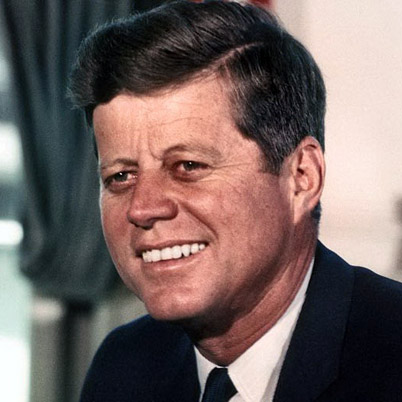
Lyndon B. Johnson- Events in office
- Great Society: The Great Society was enacted in 1964 and brought about many economic/social programs to fight the "War on Poverty". Lyndon B. Johnson proposed this and he believed it could be a solution to many of America's growing problems. Some programs included in the Great Society were Medicare, Medicaid, and acts such as the Wilderness protection Act and the Voting rights act.
- 25th amendment: This amendment states and rules that in case that the current president is removed from office, resigns or dies that the vice president will assume the role of President of the United states as a replacement.
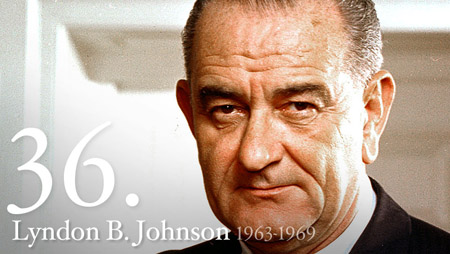
Richard M. Nixon- Events in office
- Watergate: The Watergate scandal occurred in June of 1972. Five men broke into the Democratic National Headquarters in Washington, DC at the Watergate Office Complex only to steal money intended for the use of funding the re-election of Nixon. In 1973 evidence started to mount against the Nixon administration as tape recordings were found in Nixon's office with conversations regarding him trying to cover up the break-in. In August 9, 1974 Nixon resigned from office giving his job to Gerald Ford who later pardoned Nixon for his actions.
- End of Vietnam War: The end of the Vietnam War was decided at the Paris Peace Accords in January 27, 1973 where North Vietnam's Le Duc Tho and The US's president Nixon signed the treaty creating a cease fire in South Vietnam as well as all American troops withdrawing and North Vietnam reattaining all of it's territory.